
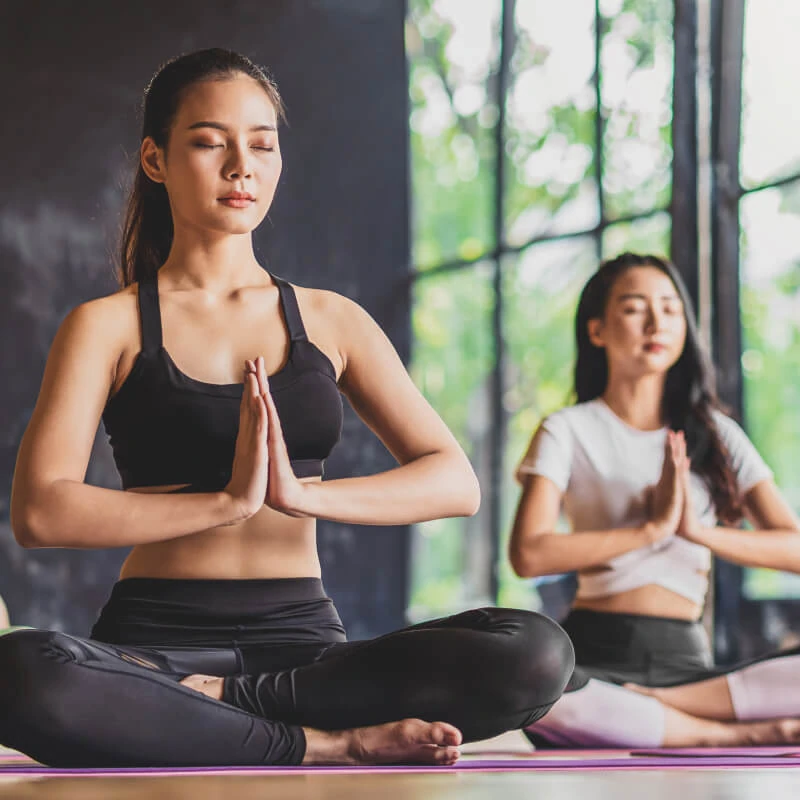
What makes yoga so appealing? This exercise not only sculpts your body but offers 9 major benefits for body, mind, and spirit. This article covers 8 foundational yoga poses for beginners to get started quickly, plus a bonus recommendation for the easy-to-book course platform "Trainge" with thousands of courses available, so you can regain a light and toned physique anytime.
1. Yoga Beginner's Guide: Who Should Practice Yoga?
With today's fast-paced modern life, people increasingly need a form of exercise that can balance body and mind. Yoga can relieve physical tension while simultaneously achieving a calming effect.
If you're a yoga beginner or not yet familiar with yoga, this article will introduce you to yoga and answer common questions!
(1) What Is Yoga?
The word Yoga comes from the Sanskrit root "yui," meaning union or connection. Thus, yoga carries the meaning of "unity of the inner true self" and "body, mind, and spirit becoming one."
Yoga originated in India as a mind-body-spirit exercise that emphasizes openness and freedom in the connection between body and mind. Through a series of asanas (poses), breathing techniques, meditation, and mindfulness practices, it can improve flexibility, strength, and balance throughout the body.
Practicing yoga also cultivates body awareness and strengthens the mind, helping people improve their physical, psychological, emotional, and spiritual wellbeing, achieving balance and integration of body, mind, and spirit, while pursuing harmony and health.
(2) Who Should Practice Yoga? Can People with Poor Flexibility Do Yoga?
Yoga is a form of exercise suitable for people of all ages and fitness levels. Whether your body is flexible or stiff, whether you have exercise habits or not, and even those with chronic conditions can participate. Yoga poses and movements can be adjusted and modified based on individual ability and physical condition, so everyone can practice within their own acceptable range.
However, the following groups should consult a doctor or professional coach before starting yoga and setting practice intensity:
- Pregnant women
- Herniated disc patients
- Those with high blood pressure or eye pressure
- Those with glaucoma or other eye conditions
Important reminder: If you have any physical conditions or illnesses, be sure to inform your yoga instructor before starting practice.
2. 9 Benefits of Yoga for Body and Mind
The benefits of yoga extend beyond improving physical health — they also enhance emotional stability and cognitive ability, contributing to overall quality of life. Let's explore the benefits of yoga for body and mind.
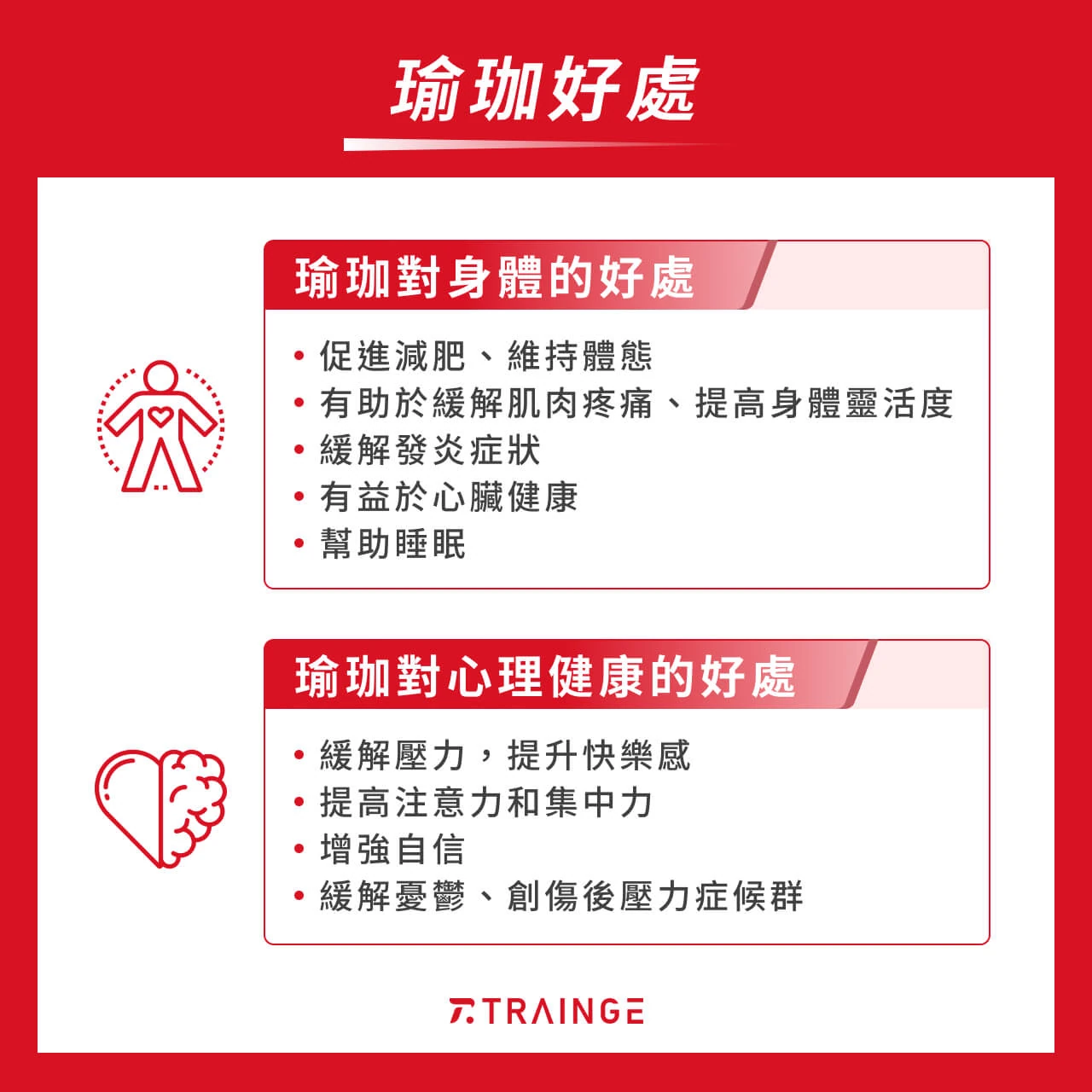
Physical Benefits of Yoga
◆ Benefit 1: Promotes Weight Loss & Maintains Physique
Research shows yoga helps obese individuals lose weight. Beyond weight loss, yoga benefits include core strengthening, increased muscle elasticity, improved flexibility, and releasing tension from stress-induced tight muscles. Long-term yoga practice can help you achieve a lean and toned physique!
◆ Benefit 2: Relieves Stress & Boosts Happiness
Yoga also includes mindfulness practices that help you become more aware of your body, leading to greater emotional stability and calm. A literature review shows that consistent yoga practice helps increase serotonin levels, enabling people to feel happier and reducing the potential physical impact of stress.
◆ Benefit 3: Reduces Inflammation
According to a 2022 literature review published in Science Direct, compared to non-yoga control groups, yoga practitioners showed significantly lower inflammatory markers, indicating yoga can help regulate inflammation and may benefit autoimmune conditions.
◆ Benefit 4: Supports Cardiovascular Health
A study indicates that regular yoga practice can help reduce cholesterol and LDL levels, regulate inflammatory responses, and thereby support cardiovascular health.
◆ Benefit 5: Improves Sleep Quality
Appropriate yoga practice can help focus attention on breath regulation, stabilize the autonomic nervous system, relax body and mind, maintain a calm mood before sleep, and reduce cluttered thoughts and emotions, thereby improving sleep.
A 2010 study published in JNR found that 6 consecutive months of yoga practice significantly improved participants' overall sleep quality, reduced depression and sleep disorders, and enhanced daytime efficiency.
Mental Health Benefits of Yoga
◆ Benefit 6: Stress Reduction
According to a 2011 study on yoga's effects on body, mind, and physique, yoga's deep breathing and stretching poses help increase blood circulation and stimulate the brain to release endorphins and dopamine — substances that relieve pain and produce feelings of happiness — thereby achieving stress reduction.
◆ Benefit 7: Improves Attention & Concentration
An academic study on yoga's effects on children's attention found that exercises like yoga help the body secrete adrenaline and dopamine, improving alertness and focus. The study results also showed that children who regularly practice yoga have higher attention levels than those who don't.
◆ Benefit 8: Boosts Self-Confidence
In our busy daily lives, engaging in leisure exercise helps the body produce positive substances like endorphins, which relax the mood, bring positive energy, and boost self-confidence, helping with work success and building better relationships. A study on "Yoga and Body Image: A Large-Scale Study of Young Adults" also shows that people who practice yoga have higher body confidence than those who don't.
◆ Benefit 9: Alleviates Depression & PTSD
According to the literature on "Yoga's Efficacy in Treating Depression", while yoga cannot completely cure mental disorders like depression, it can reduce symptoms of depression and PTSD. Combined with mindfulness meditation, repeatedly performing regular deep breathing, stretching, and other gentle yoga movements can suppress sympathetic nervous system activity and enhance parasympathetic function, thereby relaxing the body, stabilizing the autonomic nervous system, and reducing anxiety, depression, tension, and other negative states.
Click the button below to explore more fitness courses!
Start My Fitness Journey3. What Types of Yoga Exist? 7 Major Yoga Styles at a Glance!
In recent years, as outdoor activities have gained popularity, outdoor yoga has also become increasingly popular. Beyond enjoying the beauty of nature, you can also experience the mental calm and relaxation that yoga brings. Now, let us introduce 7 major yoga types and explore different yoga styles and experiences.
(1) Hatha Yoga
Hatha Yoga is the oldest and most common form of yoga, and one of the most popular foundational yoga types — a form of gentle yoga. It primarily focuses on soft breathing, meditation, and body postures to help relax muscles, relieve stress and anxiety, bringing relaxation and relief to body and mind. This yoga style includes both challenging advanced poses and basic gentle ones, making it suitable for people of all physical conditions to begin.
(2) Aerial Yoga
Aerial Yoga is a form of yoga performed on a hammock. Through suspended training in the air, it can effectively enhance body flexibility and balance while also exercising rarely-used muscle groups and core muscles.
(3) Yin Yoga
Yin Yoga is a unique yoga style that combines basic yoga concepts with Chinese Taoist philosophy and Traditional Chinese Medicine meridian theory — a form of gentle yoga. Its primary purpose is to stretch the body's fascia and relax muscles, thereby restoring the body, regulating the nervous system, and releasing inner tension. Usually practiced in lying and sitting positions, it achieves deep stretching and relief through holds of 3-5 minutes, training rarely-used deep connective tissues and promoting whole-body metabolism.
(4) Vinyasa Yoga (Flow Yoga)
Also known as "Flow Yoga" or "Dynamic Yoga," Vinyasa Yoga is a faster-paced yoga style, also called Vinyasa Yoga or Flow Yoga. It uses a quicker breathing rhythm combined with linking different yoga poses to achieve multiple benefits including improved cardiovascular function and enhanced focus.
(5) Iyengar Yoga
Also known as "Alignment Yoga," Iyengar Yoga is based on the teaching system of international yoga master Iyengar, emphasizing correcting poor posture caused by daily life habits and returning the body to its proper alignment. Through basic horizontal alignment, maintaining each movement in the correct position, direction, and level for 3-5 breaths while listening to the body's feedback, it strengthens focus, corrects posture, calms the mind, and achieves the essence of yoga.
(6) Hot Yoga (Bikram Yoga)
Created by Bikram Choudhury, this yoga style features a fixed set of 26 stretching yoga poses performed in a high-temperature (36-40°C) and high-humidity environment. It helps the body sweat profusely for detoxification while training muscle flexibility and endurance. However, it's important to stay hydrated during practice, and it's best suited for those with some yoga foundation.
(7) Yogalates
Yogalates is a comprehensive emerging exercise that combines the essence of Pilates and Yoga. It merges the best of both, focusing on muscle stretching combined with breathing, emphasizing core muscle training while also improving balance, correcting injuries caused by poor habits, and improving blood circulation. Rather than building bulky muscles, it creates leaner, more elongated body lines, making it popular among yoga and Pilates practitioners in both Western and Asian countries.
4. Must-See for Yoga Beginners! 8 Beginner Yoga Poses with Demonstrations
(1) Foundational Pose 1: Downward Facing Dog
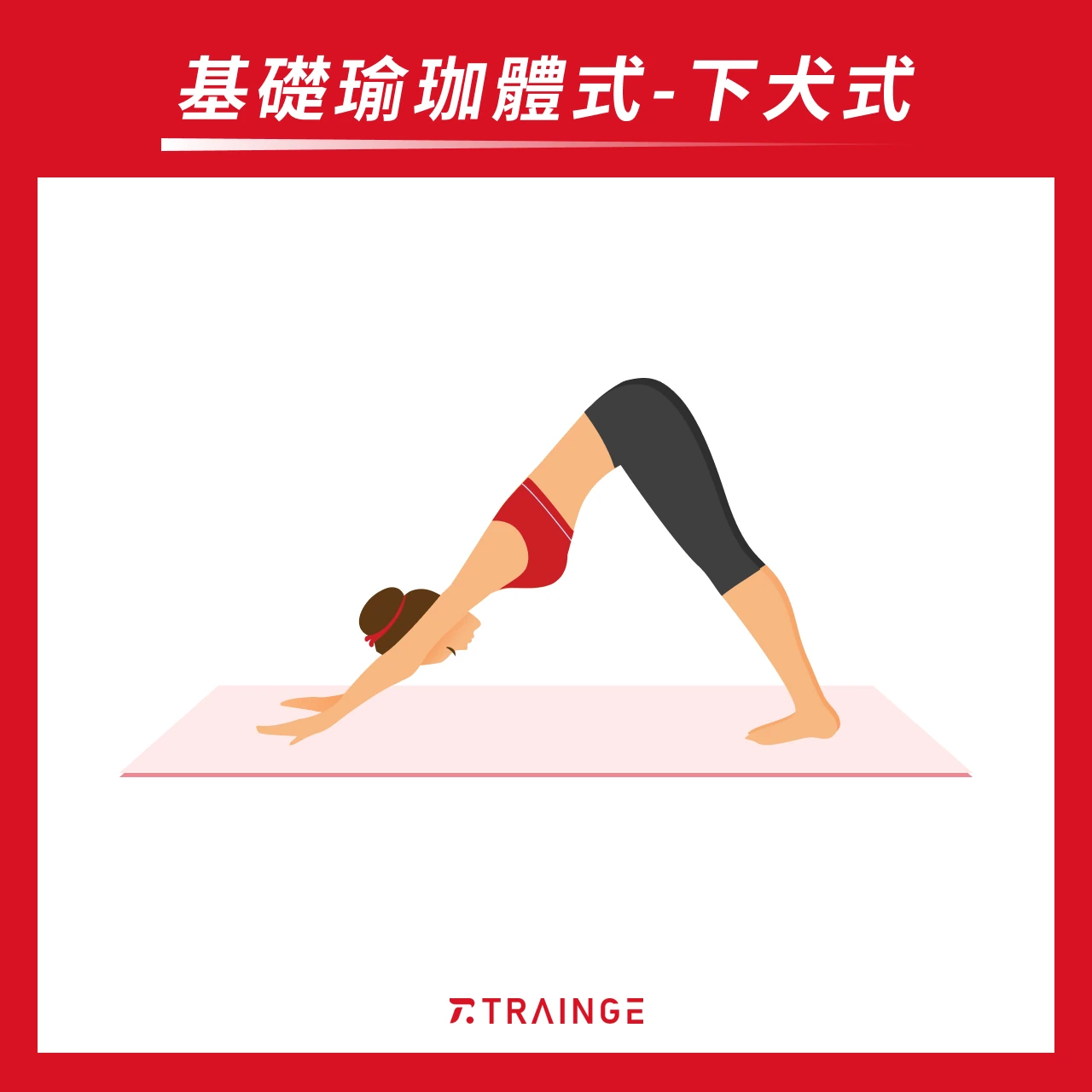
Difficulty: ★★★☆☆
Downward Facing Dog gets its name because the posture resembles a dog stretching. This pose helps stretch lower body muscles that become tight from prolonged sitting, while also relaxing the back muscles. It's an excellent full-body stretch recommended for every yoga beginner.
(2) Foundational Pose 2: Triangle Pose
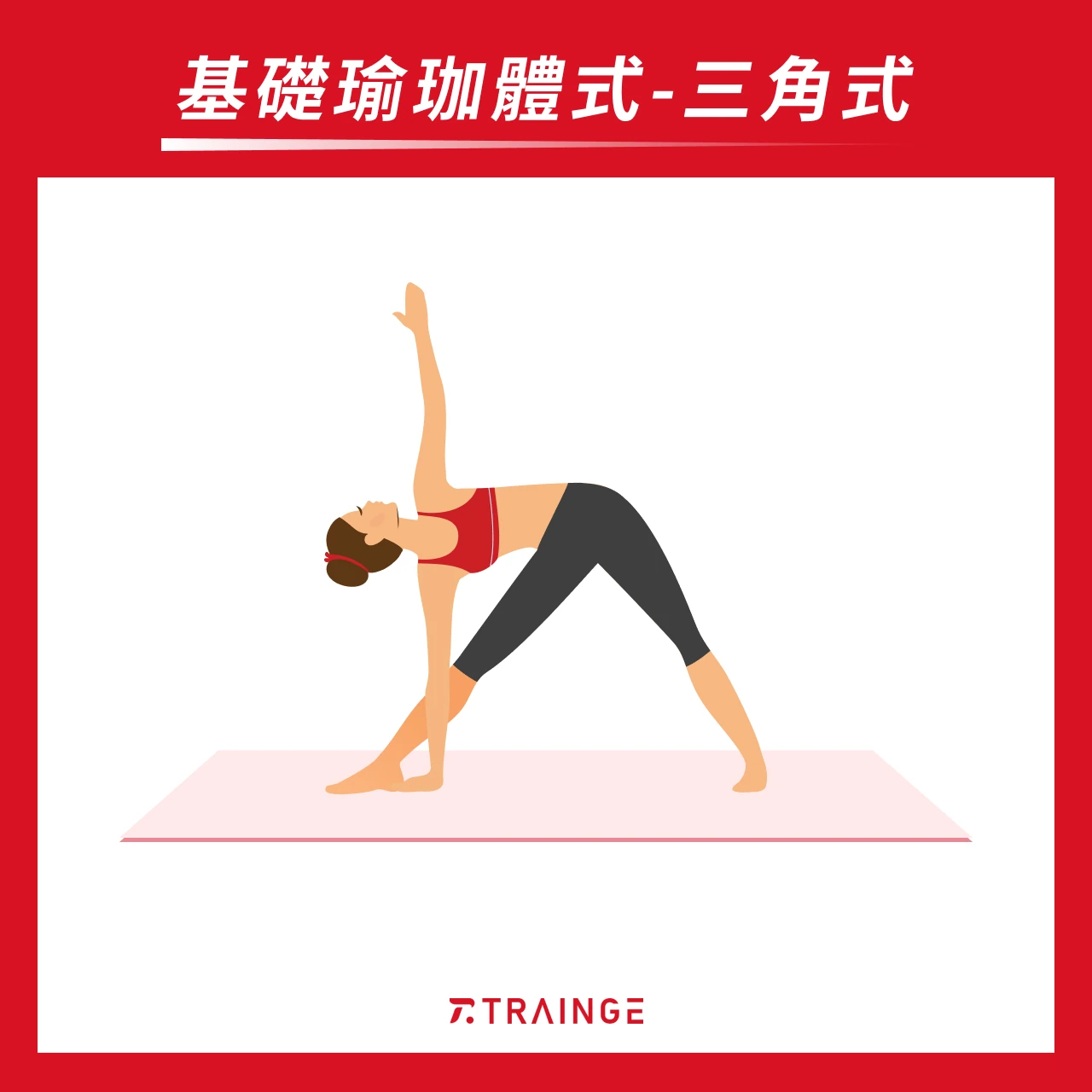
Difficulty: ★★☆☆☆
Triangle Pose is very suitable for yoga beginners. It helps activate the waist and back muscles without requiring back-and-forth movement, making it great for those with limited home space!
(3) Foundational Pose 3: Low Lunge
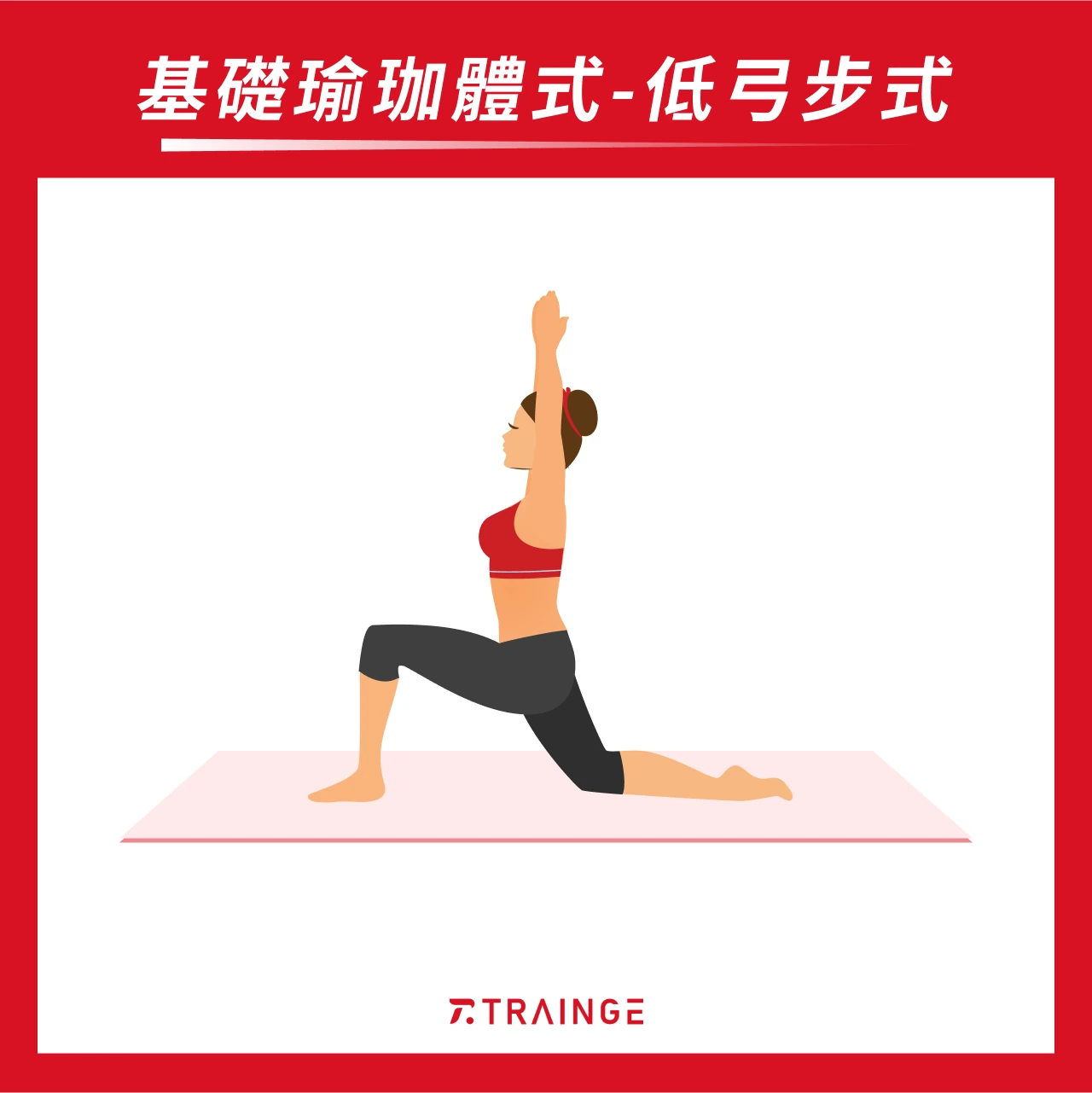
Difficulty: ★★☆☆☆
Low Lunge simultaneously stretches the waist and back muscles as well as the hip flexors in the legs. If you often feel stiff when walking, running, or squatting, Low Lunge is perfect for people with stiff lower bodies from prolonged sitting.
(4) Foundational Pose 4: Plank Pose
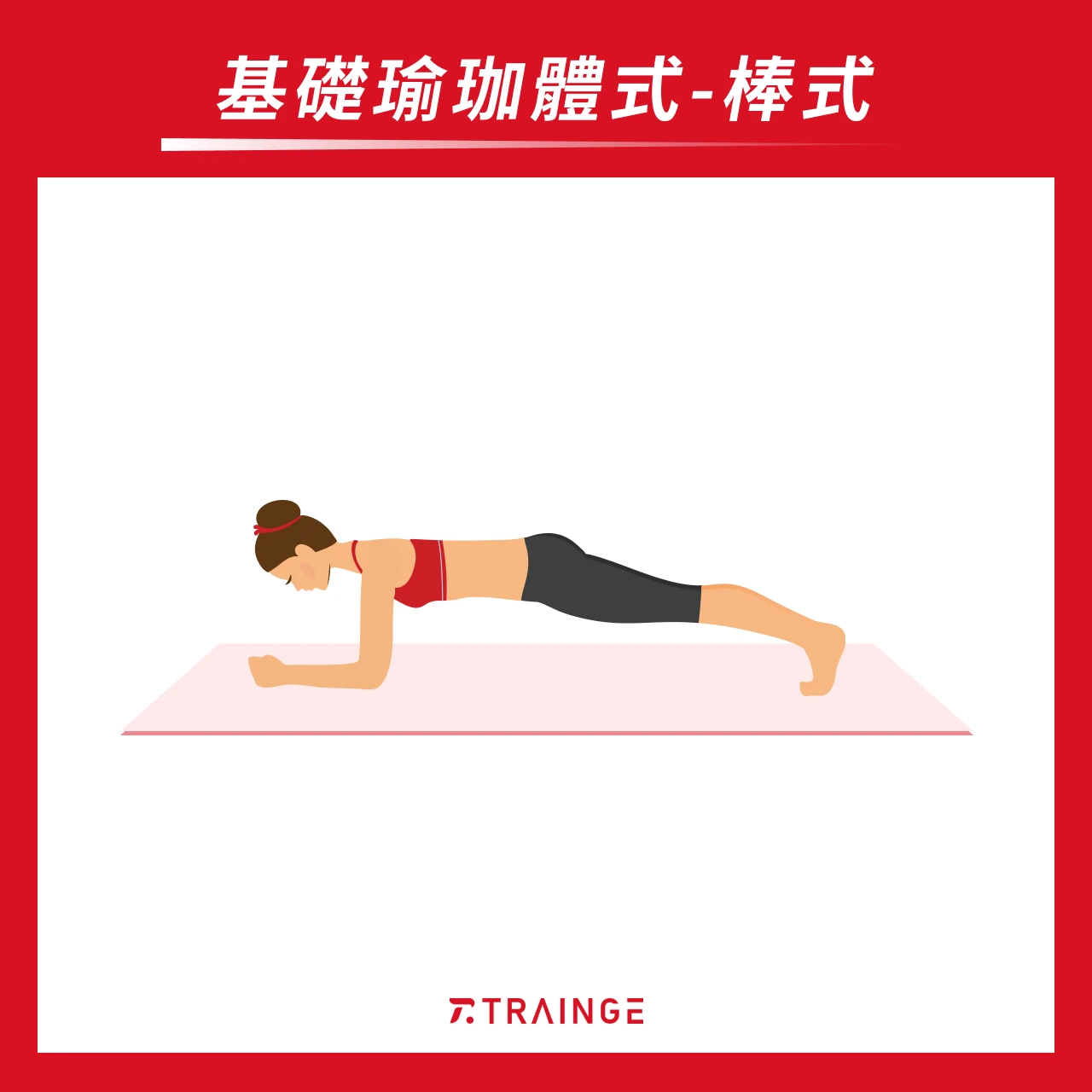
Difficulty: ★★★★☆
Plank effectively trains deep core muscles like the transverse abdominis, diaphragm, and pelvic floor muscles. It's also great for toning arms and reducing belly fat — a quality full-body exercise. However, for beginners, Plank is a pose that's relatively easy to do incorrectly.
The correct Plank technique requires keeping elbows vertical, supporting with elbows and forearms on the ground, feet shoulder-width apart, abs engaged, glutes stable, and body in a straight line. Be careful not to intentionally raise or lower your head — just let your gaze fall naturally downward.
(5) Foundational Pose 5: Tree Pose
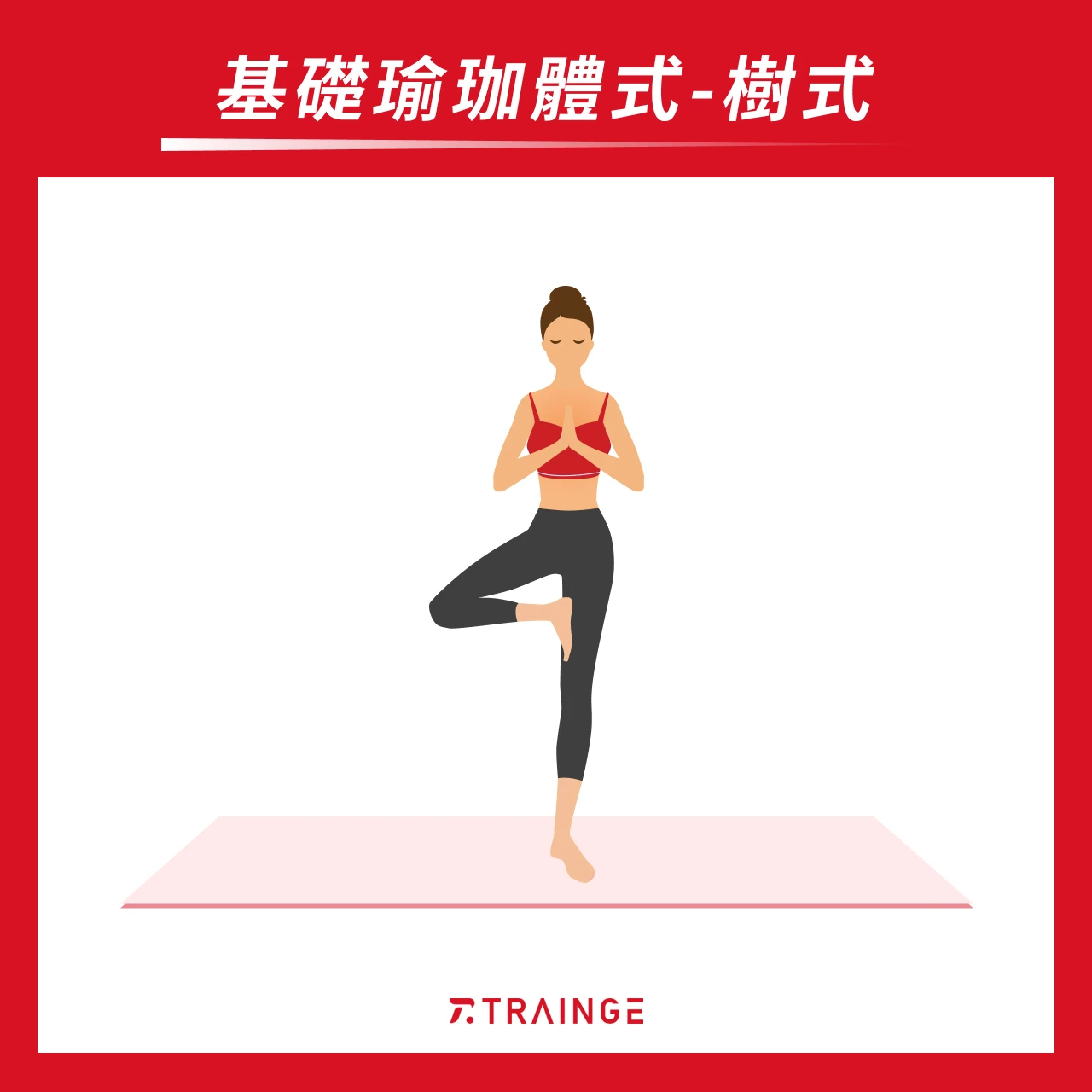
Difficulty: ★★★★☆
Tree Pose helps the body develop balance, stretches the spine and pelvis, and is beneficial for training the glutes, abs, and core muscles. When performing this pose, note that hands should be raised above the head, you should feel the waist and abs engaging, and maintain single-leg balance.
(6) Foundational Pose 6: Butterfly Pose
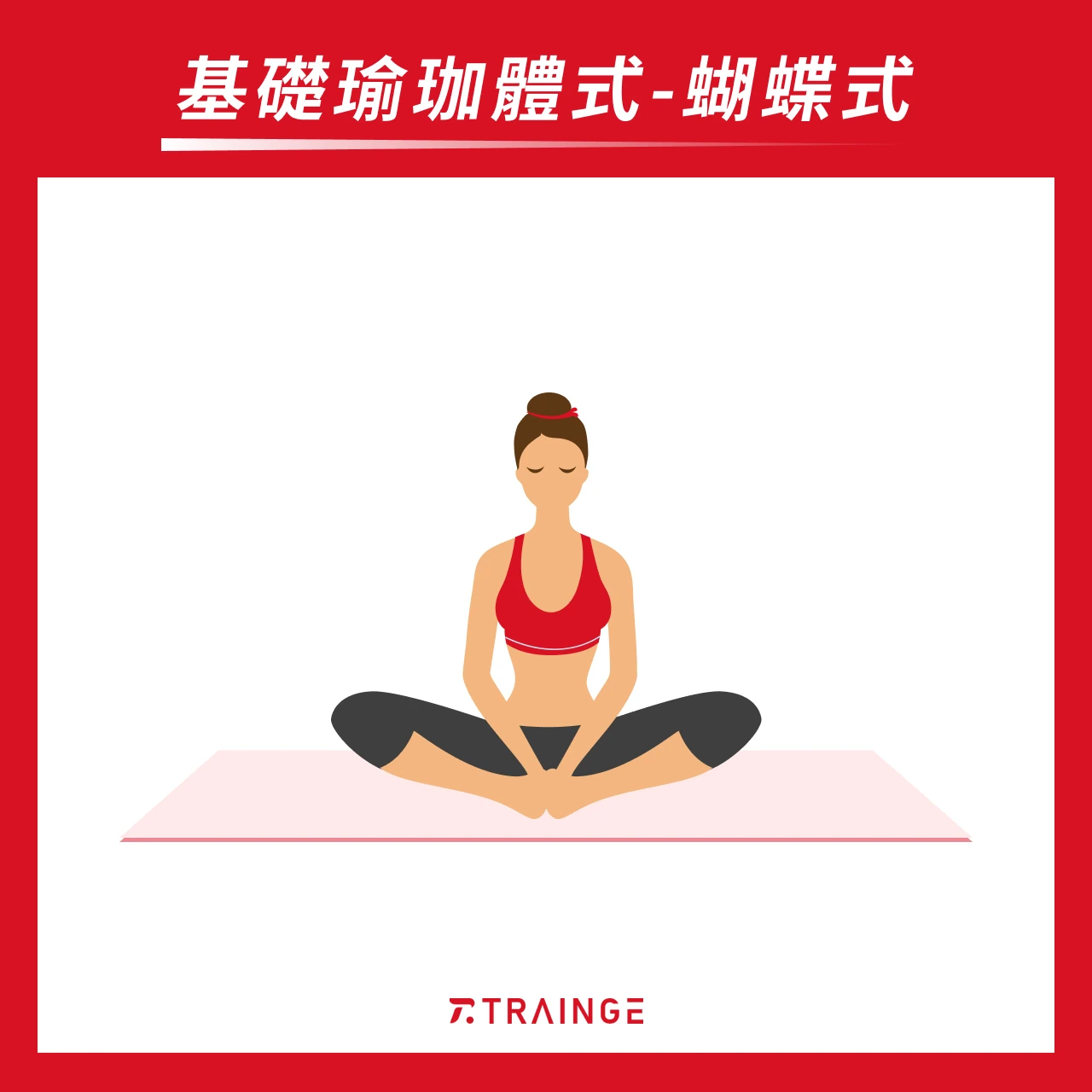
Difficulty: ★★☆☆☆
Do your thighs feel stiff when moving? Butterfly Pose helps mobilize the hip joints and improve tightness in the hip flexors and lower back muscles. Note that the closer the joined soles of the feet are to the body, the higher the difficulty. Also be careful not to hold your breath or hunch your back — keeping the spine upright allows for more effective stretching of deep muscle groups.
(7) Foundational Pose 7: Bridge Pose
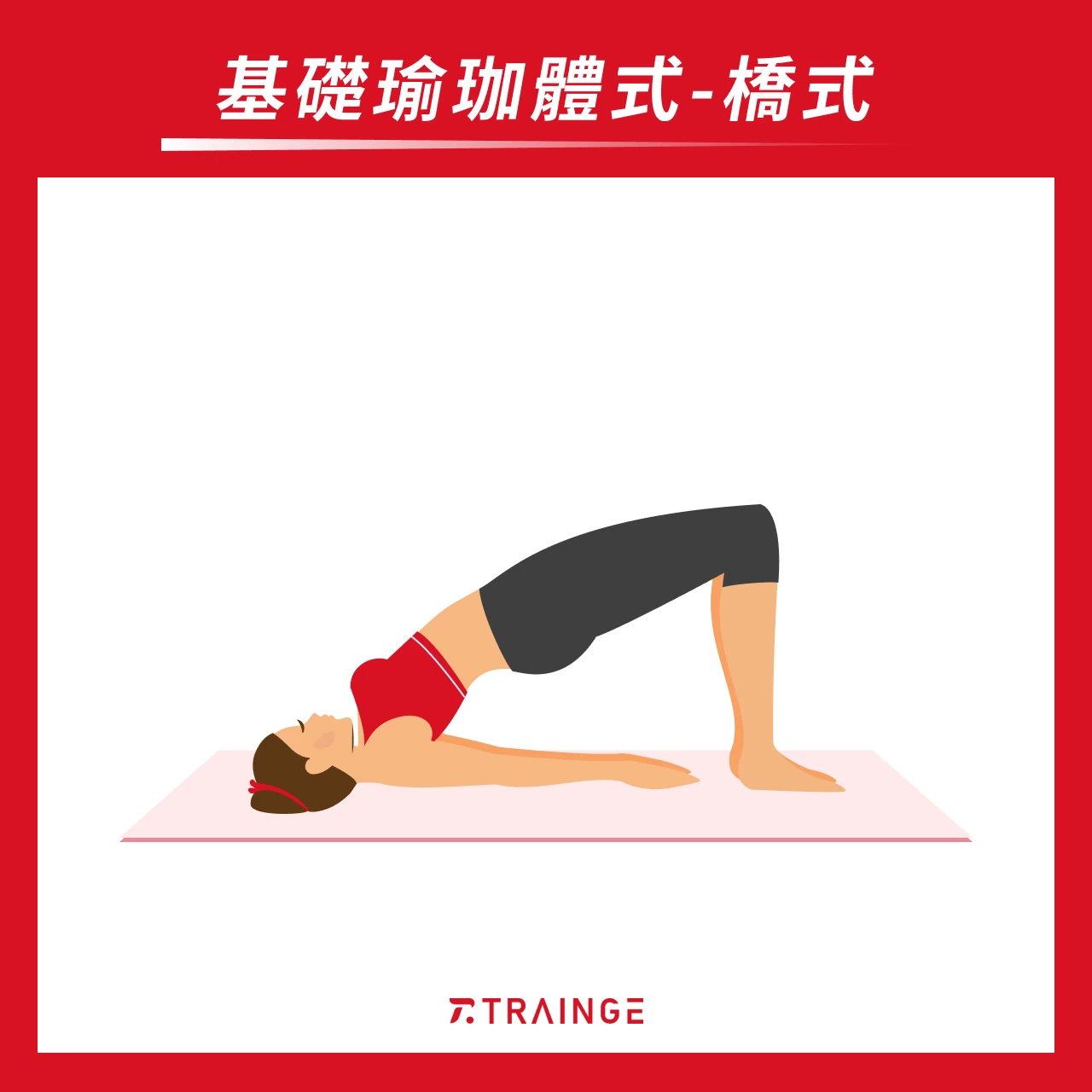
Difficulty: ★★☆☆☆
Bridge Pose helps firm the abdomen, strengthen glute muscles, correct pelvic position, and relieve tension from prolonged sitting. The correct technique requires feet shoulder-width apart, glutes engaged, and body maintained in a straight line.
(8) Foundational Pose 8: Child's Pose
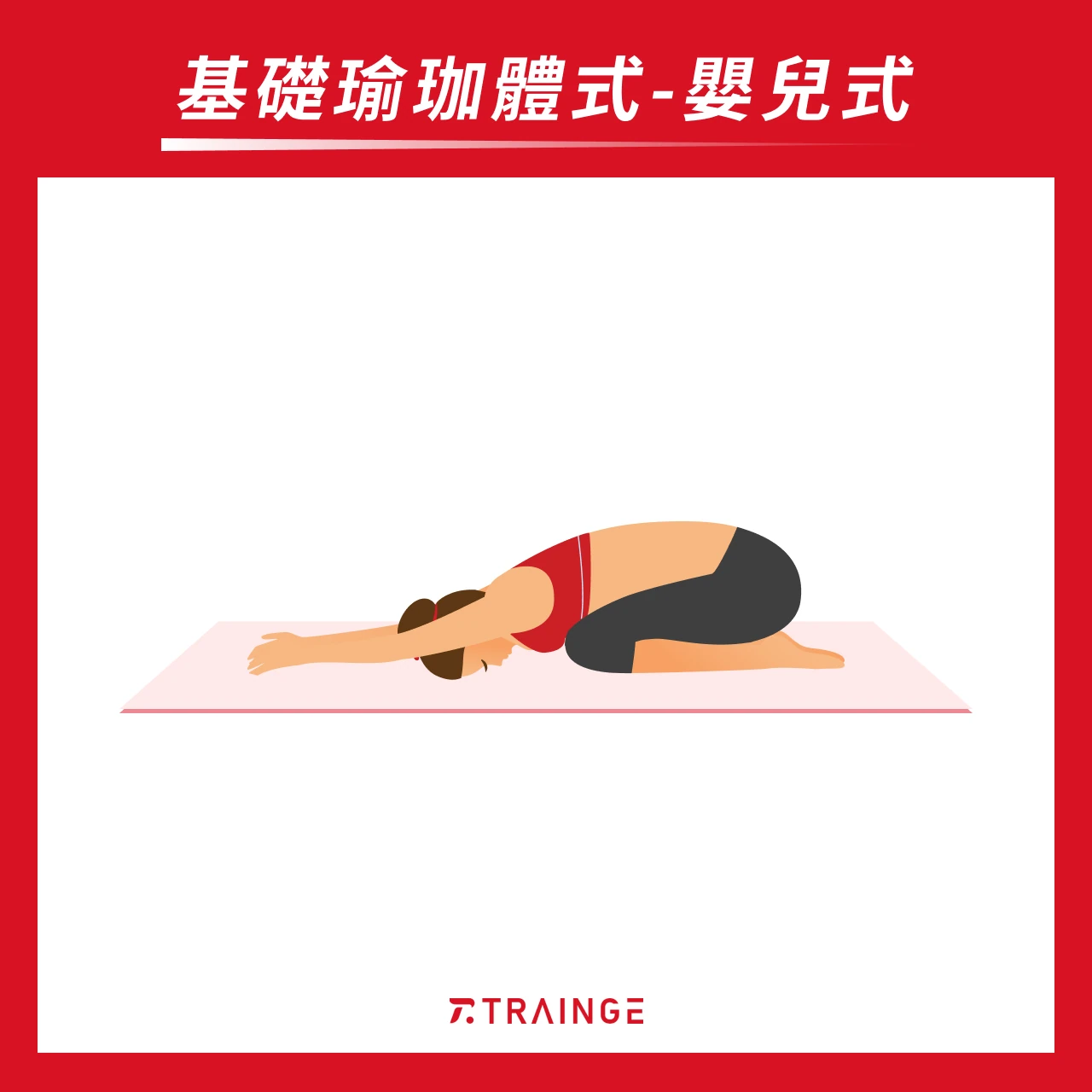
Difficulty: ★☆☆☆☆
Child's Pose increases blood circulation in the back and stretches the hip joints and neck-shoulder muscles. Child's Pose is very simple and can be considered a must-try relaxation pose for yoga beginners!
Click the button below to explore more fitness courses!
Start My Fitness Journey5. Yoga FAQ & Pre-Practice Preparation — Easy Start!
(1) Common Yoga Beginner Questions
After seeing the basic yoga poses above, ready to start your yoga journey? Whether you practice yoga on your own or learn with a coach, refer to these common yoga questions!
Q1. Do I Need to Warm Up Before Yoga?
Whether you're a yoga beginner or experienced practitioner, it's recommended to warm up properly before doing yoga. This helps loosen muscles so your body is warmed up before attempting more advanced movements.
Q2. Should I Wear Socks During Yoga?
It's best to practice yoga barefoot to increase foot grip and prevent slipping. Keep your attire simple and avoid wearing too many accessories. For more static yoga poses, you can decide based on personal preference whether to wear socks. If you do need socks, choose non-slip yoga socks.
Q3. Can I Learn Yoga If I'm Not Flexible?
Yes! However, many people who don't exercise regularly lack muscle and fascia elasticity, so when first starting yoga, they often find advanced movements challenging or even painful due to body stiffness. Start with basic yoga poses and use props — over time, flexibility will gradually improve. Additionally, using a foam roller daily to relax muscles and fascia can be helpful for stiff-bodied yoga beginners.
Q4. Why Do I Get Dizzy During Yoga?
The most common cause of yoga dizziness is exhaling too quickly or holding your breath during poses, causing temporary oxygen deprivation. It's recommended to maintain normal breathing during practice and avoid sudden large movements when changing positions. Change gradually to prevent pressure from suddenly shifting to the heart, chest, neck, and head, which can more easily cause dizziness.
Q5. How Long After Eating Should I Wait to Do Yoga?
After eating, the body's blood typically concentrates on assisting food digestion. Therefore, it's recommended not to do yoga within 1 hour after eating to avoid the body being unable to handle both digestion and exercise, which can cause bloating, nausea, and other discomfort. It's also not advisable to do yoga after eating too much or consuming heavy, greasy meals, as this increases the likelihood of indigestion.
(2) How Much Do Yoga Classes Cost?
Since yoga class prices vary across the market, here are reference prices from the Trainge website:
- One-on-One Yoga: Approximately NT$990–1,500 per session
- Group Classes: Approximately NT$350–1,190 per session
- Online Classes: Approximately NT$200–300 per session
- Aerial Yoga: Approximately NT$799–1,600 per session
(3) How to Choose a Yoga Mat Before Starting

Yoga Mat Thickness
The thickness of a yoga mat affects cushioning and comfort. Choosing the right thickness can reduce pressure and discomfort on knees, elbows, and other joints.
Yoga Mat Material
Common yoga mat materials include TPE, NR, and PVC. Different materials have different properties — choose based on your personal needs.
- TPE: An eco-friendly material with good flexibility, lightweight, stable sweat absorption and anti-slip properties, convenient for carrying outdoors.
- NR: Also an eco-friendly material with high sweat absorption and anti-slip properties, though the surface is harder and heavier. Suitable for various balance training.
- PVC: The most affordable option with good anti-slip properties, but doesn't absorb sweat and may have a plastic odor. Less suitable for long-term use.
Antibacterial Properties
Since yoga mats easily come into contact with sweat and dust, choosing materials with antibacterial properties can reduce bacterial growth. Remember to clean your yoga mat regularly to avoid skin irritation.
Anti-Slip Properties
A yoga mat with quality anti-slip material provides good grip, ensuring hands and feet remain stable in various yoga positions, preventing sliding and shifting, thereby reducing the risk of slipping or falling and improving practice effectiveness and safety.
(4) 3 Clothing Tips for Yoga Practice
Want to start learning yoga but confused about appropriate beginner yoga attire? Here are 3 key points for choosing yoga clothing!
Breathability
Breathable clothing allows sweat to be quickly wicked away, helping the body stay cool and dry, reducing discomfort from excessive sweating. This is especially important during outdoor or high-intensity yoga classes.
Elasticity
Yoga requires significant body flexibility and range of motion, so yoga clothing must be stretchy. Elastic clothing ensures freedom of movement without restricting the body's range of motion, while also reducing unnecessary resistance and friction to improve exercise efficiency.
Full Coverage
Since yoga poses and movements are diverse, it's recommended to choose yoga clothing that fully covers the body. Details like shoulder straps and side panels deserve special attention to prevent shifting during exercise, which could affect movement accuracy and potentially cause wardrobe malfunctions, impacting exercise safety and privacy.
6. Recommended Yoga Booking Platform: Trainge
Looking for yoga course recommendations? Try finding them on Trainge!
Trainge is a transparent, friendly, and innovative C2C and B2C platform — a portmanteau of Train + Change — offering thousands of fitness courses across Taiwan, making it easy for users to find the right sport, pricing model, and training location.
The Trainge platform requires no contracts, registration fees, or annual fees. Users can freely choose their preferred courses and explore different training spaces, never missing out on interesting fitness classes due to contract restrictions.
Additionally, Trainge offers convenient booking and cancellation systems, online payment, calendar integration, and training and health tracking features, saving you significant time and communication costs while making it easier to manage your schedule.
As Taiwan's largest fitness platform, Trainge is dedicated to accompanying users from training to transformation, enabling everyone to easily achieve their health goals. Start your journey with Trainge today and enjoy the fun of healthy exercise!
That covers yoga knowledge and an introduction to different yoga types. We hope this helps answer your questions and makes your fitness journey smoother! Click the button below to explore more courses!
Start My Fitness Journey